December 19 the Sudanese revolution began to demand the overthrow of the regime after the people suffered several crises such as the increase of  prices, lack of gasoline and bread and the high price of the dollar, which led to the anger of citizens and let them go out to the street in order to overthrow the regime.
The revolution lasted for months. The revolution was led by a Sudanese professionals Association (S.P.A) who planned and studied every step of the revolution but the characters were unknown which led to the destabilization of the confidence of Sudanese citizens in who leads their peaceful revolution, Until a member of the organizers of the Sudanese professionals Association (S.P.A) appeared to assure the people and restore confidence in this gathering.

After the appearance of Dr. Naji al-Asam, the leader of the revolution and a member of the Sudanese professionals Association (S.P.A ) he was arrested for several consecutive months.
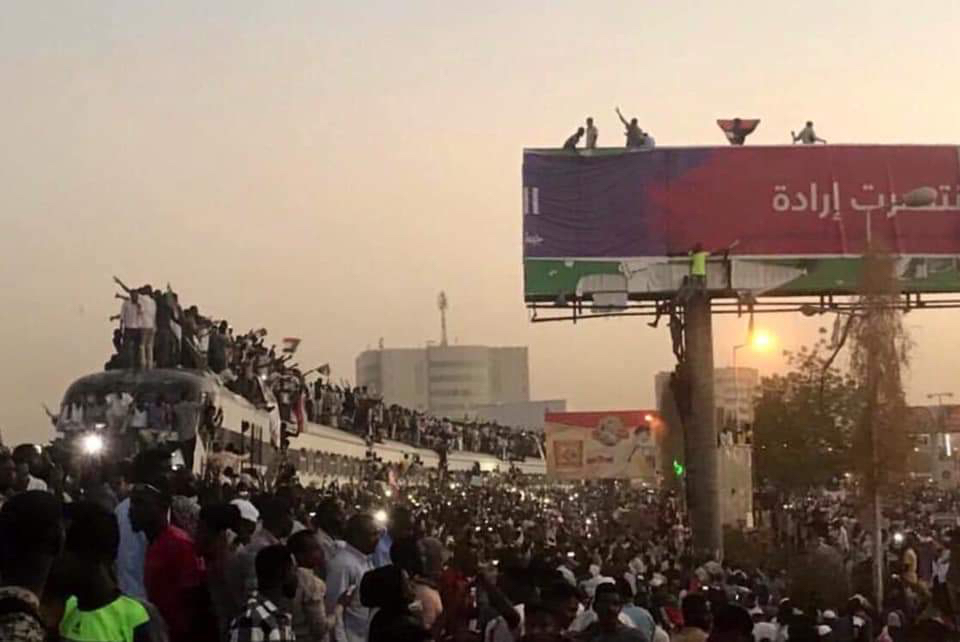
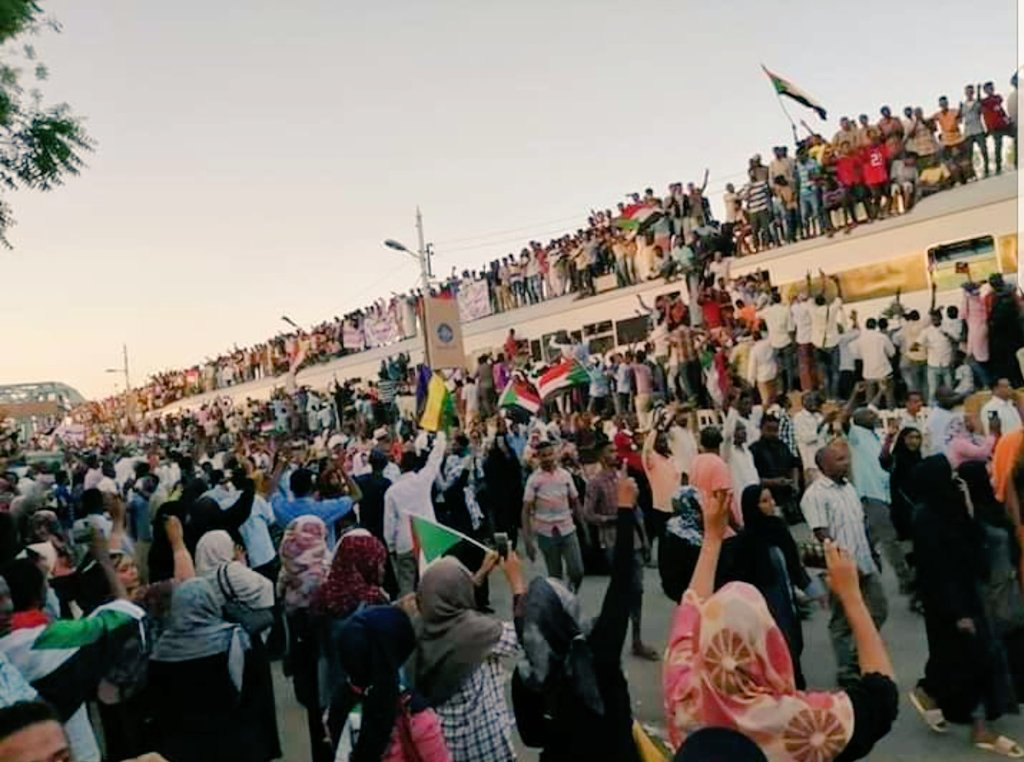
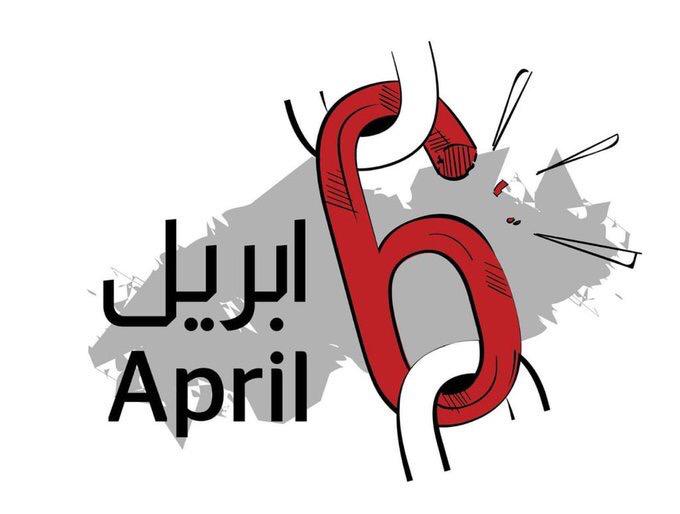
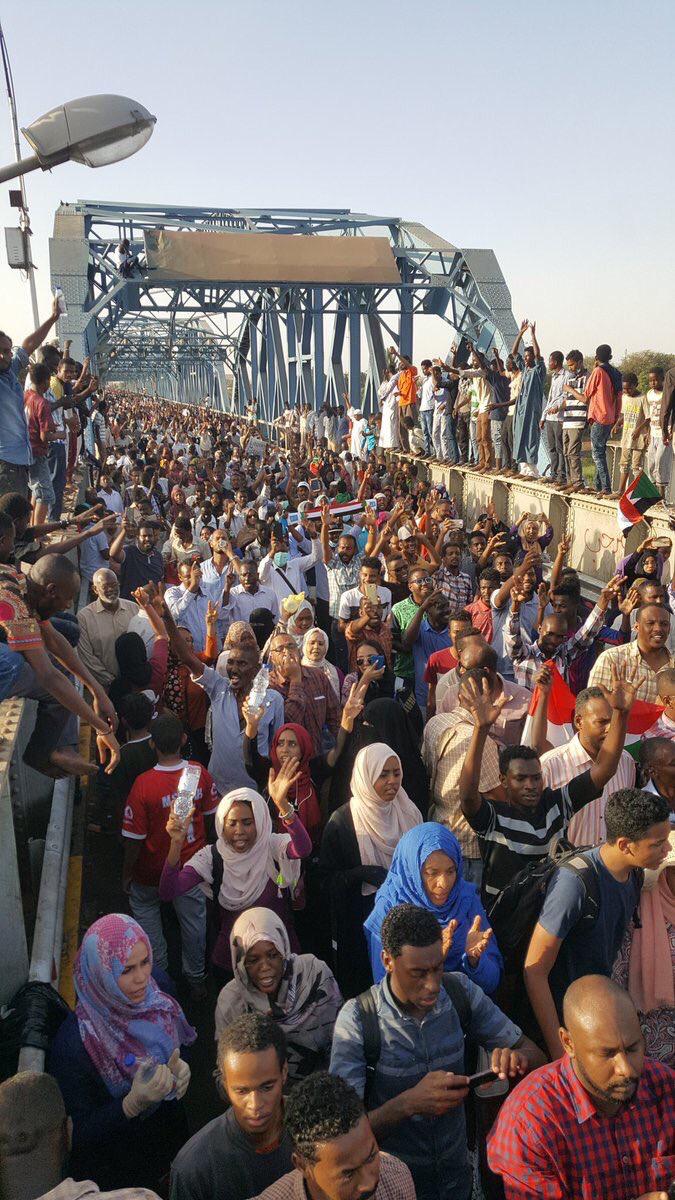
April 6 is the great day in the history of the Sudanese people. The gathering of Sudanese professionals called on all the people to go out to the capital of the state and sit in front of the General Command until the regime is toppled.

The people responded to this call and a huge number went out and acclaim began to topple the military government.

”tasgut bs” This is what millions of revolutionaries chanted which means only falls. In addition to, Freedom, peace, and justice.

Sudanese President Omar al-Bashir is stepping down“ The first fall“.
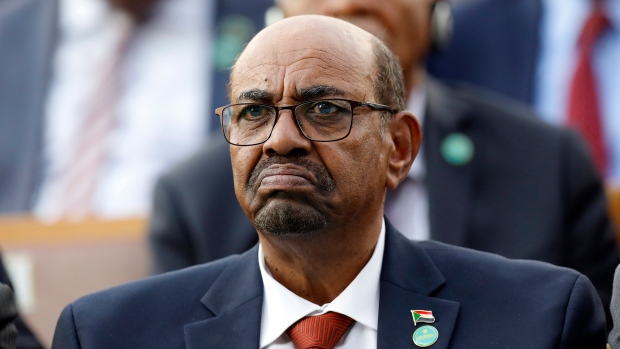
April 11 President Omar Hassan Al-Bashir has been announced, after 30 years of rule, while the Sudanese army announced the formation of a transitional council headed by General Awad Abnouf.

Sudanese state television announced that an important statement would be issued shortly after the Sudanese armed forces.

But this did not satisfy the people and continued demonstrations and cheers and the gathering of Sudanese professionals issued a statement to continue protests until the demands of the people are met

“The second fall”
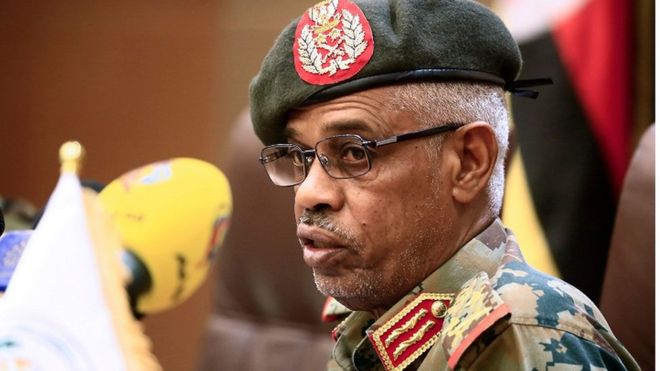
President of the transitional military council in Sudan, Awad bin Auf, announced on Friday that he abdicated his post and the appointment of Inspector-General of the Army Lieutenant General Abdul Fattah al-Burhan as head of the military council.

We have asked a number of Sudanese people living in the UAE about the Sudanese revolution.Here are some different opinions

“ This revolution is not like any revolution. The Sudanese people have done a great job that we will never forget“

”It is very difficult to hope for satisfactory results and to end a 30-year dictatorship, but we will still expect the best“

”I want to leave everything behind me and participate in this peaceful revolution“


Related story:

https://www.reuters.com/video/2019/04/10/female-protester-becomes-symbol-of-revol?videoId=536385114

  • by:- Salma Alhadi
  • u15201047

Uos open day

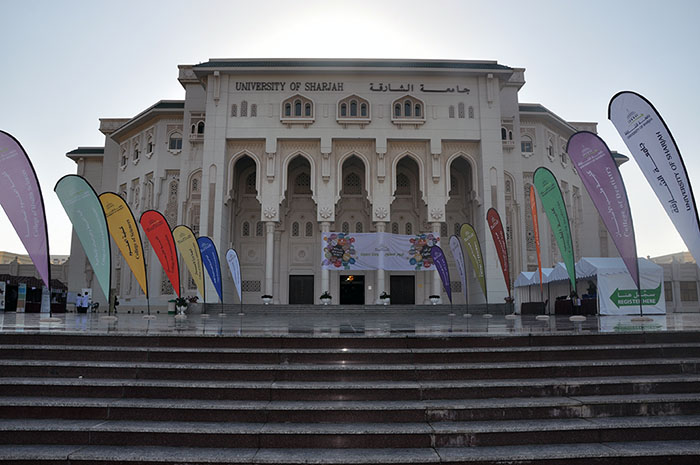
21 of April university of Sharjah welcomed again undergraduate student in its open day which is held every year in the spring to introduce the student to all the university departments. the main buliding of the unversity was reception area.

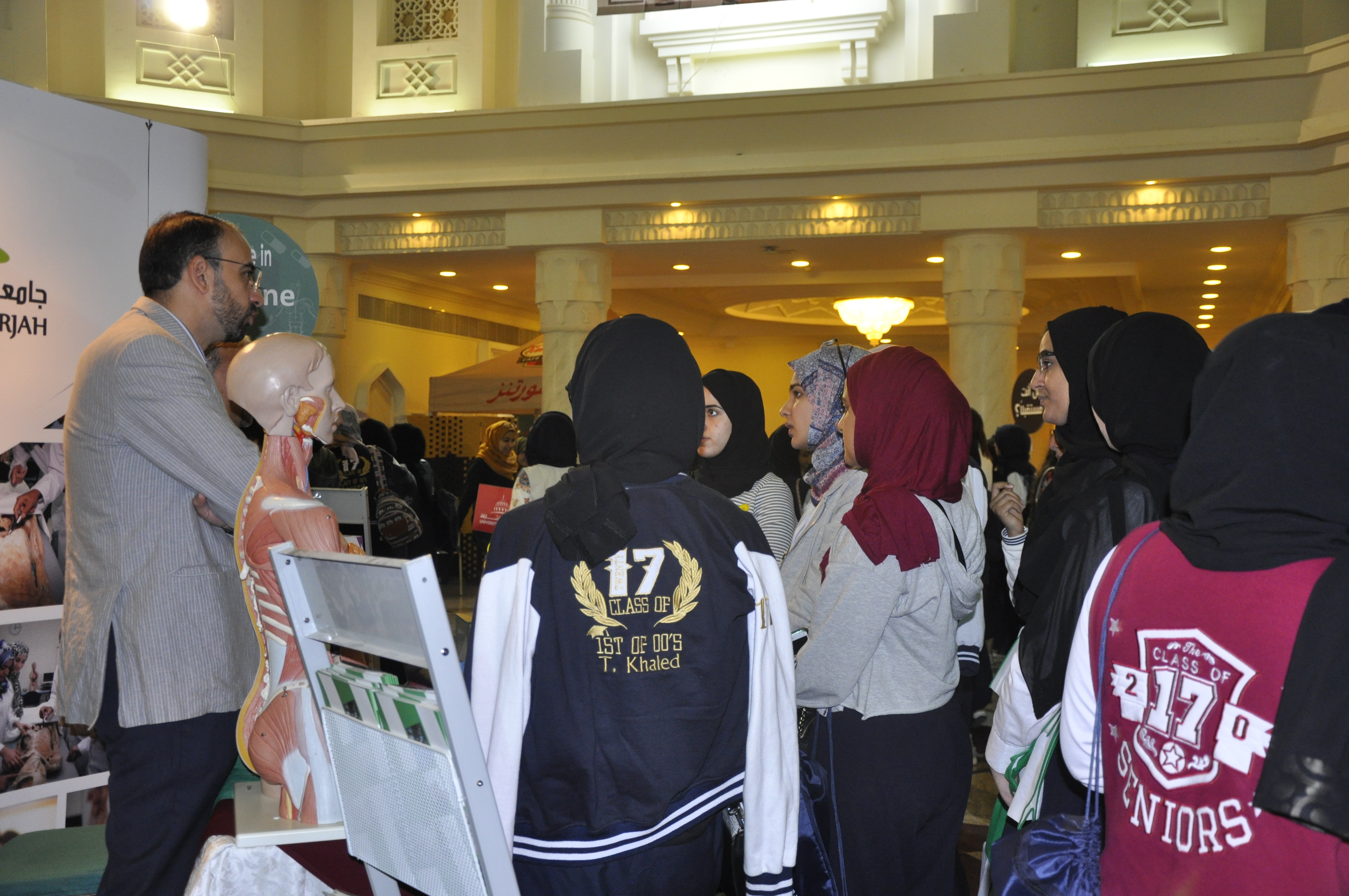
each department provide adequate information and explain to students all requirements such as the degree of acceptance, study plan and galender.

For the development of cooperation, the Open Day included the participation of university students to volunteer in the guidance of school students and took them on a tour around the university.

Open Days highlight faculty and student clubs and organizations that sponsor students. Be sure to check our Calendar of Events for the upcoming Open Day dates

by:- Salma Alhadi

u15201047

The Abbasids

Image result for The Abbasids

The pioneers of the Abbasid Dynasty assembled Baghdad, the capital of Iraq. Baghdad would come to supplant and dominate Damascus as the capital city of the region. It was situated close both the Tigris and Euphrates rivers, making it a perfect spot for sustenance generation that could support an extensive populace.

The Abbasids constructed Baghdad starting with no outside help while keeping up the system of streets and exchange courses the Persians had built up before the Umayyad Dynasty assumed control. Baghdad was deliberately situated amongst Asia and Europe, which made it a prime spot on overland exchange courses between the two main lands. A portion of the merchandise being exchanged through Baghdad were ivory, cleanser, nectar, and precious stones. Individuals in Baghdad made and traded silk, glass, tiles, and paper. The focal area and exuberant exchange culture of the city made an energetic trade of thoughts conceivable also.

Baghdad Move:

Baghdad pulled in numerous individuals, including researchers, to live inside its fringes. To get a feeling of what living in the recently developed city resembled, here’s an extract from the works of Arab antiquarian and biographer, Yakut al-Hamawi, portraying Baghdad in the tenth century:

The city of Baghdad framed two tremendous semi-hovers on the privilege and left banks of the Tigris, twelve miles in distance across. The various rural areas, secured with parks, greenery enclosures, estates, and delightful promenades, and abundantly provided with rich bazaars, and finely fabricated mosques and showers, extended for a significant separation on the two sides of the stream. In the times of its flourishing the number of inhabitants in Baghdad and its rural areas added up to more than two [million]! The royal residence of the Caliph remained amidst an immense stop a few hours in boundary, which adjacent to a zoological garden and aviary involved a walled in area for wild creatures held for the pursuit. The royal residence grounds were laid out with gardens and embellished with impeccable taste with plants, blossoms, and trees, repositories and wellsprings, encompassed by etched figures. On this side of the stream stood the royal residences of the immense nobles. Gigantic boulevards, none under forty cubits wide, navigated the city from one end to the next, partitioning it into pieces or quarters, each under the control of a regulator or director, who took care of the tidiness, sanitation and the solace of the occupants.

Al-Rashid and Al-Ma’mun:

Image result for al-Rashid and al-Ma'mun

Caliphs like al-Rashid and al-Ma’mun straightforwardly empowered an interpretation development, a formal interpretation of academic works from Greek into Arabic. The Abbasid rulers needed to make Greek writings, for example, Aristotle’s works, accessible to the Arab world. Their objective was to decipher however many of these acclaimed fills in as could be allowed keeping in mind the end goal to have an exhaustive library of learning and to protect the theories and grant of Greece. The Abbasids planned to have theory, science, and medication writings interpreted. Notwithstanding Arab Muslim researchers, Syrian Christians made an interpretation of Syriac writings into Arabic too.

Why were the Abbasids so keen on a monstrous interpretation undertaking? Notwithstanding their want to have a thorough library of information and the Qur’an’s accentuation on learning as a blessed action, they likewise had a reasonable hunger for medicinal learning. The line was confronting an interest for talented specialists—so having however much information as could be expected for them to get to was an absolute necessity.

One way the Abbasid line could spread composed learning so rapidly was their upgrades on printing innovation they had acquired from the Chinese; a few students of history trust this innovation was taken after the Battle of Talas between the Abbasid Caliphate and the Tang Dynasty in 751. The Chinese had watched paper making as a mystery, however when the Tang lost the fight, the Abbasids caught proficient paper creators as detainees of war, constraining them to duplicate their art.

Researchers living in Baghdad amid the Abbasid Caliphate added to the protection of Greek and other existing information about theory, cosmology, medication, and numerous different controls. Notwithstanding safeguarding data, these researchers contributed new bits of knowledge in their fields and at last passed it along to Europe.

Related Articles:

https://www.ducksters.com/history/islam/abbasid_caliphate.php

https://www.britannica.com/topic/Abbasid-caliphate